
DMZ (Demilitarized Zone)
- 2025년 7월 6일
- 3분 분량
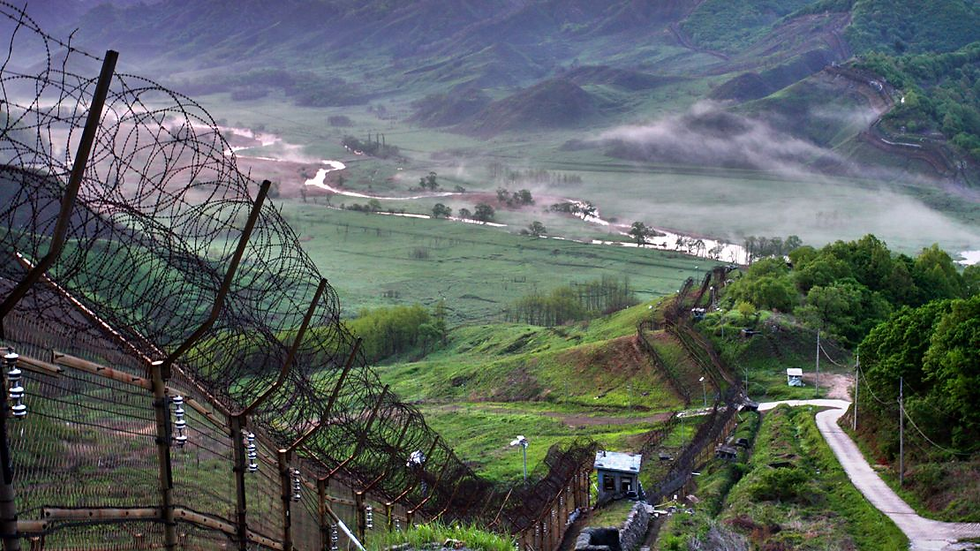
The Demilitarized Zone (DMZ), which divides the Korean Peninsula in half, is one of the most ironic places on Earth. It’s an area of intense military tension, yet at the same time, it’s one of the world’s most untouched and thriving ecosystems. When the Korean War halted in 1953, a 250-kilometer-long, 4-kilometer-wide buffer zone called the Demilitarized Zone (DMZ) was established along the Military Demarcation Line (MDL) to reduce the risk of direct military conflict and facilitate potential dialogue between North and South Korea. All military actions are politically banned here with a purpose to reduce conflict—anyone entering needs official approval, and weapons are strictly off-limits.
I'm currently serving at a GOP (General Outpost) during my military service—it's technically inside the DMZ but peripherally positioned along the MDL, like a cell membrane on the edge of the cell.
Cell membrane protects the cell organs from the outside and actively and passively regulates molecule transport. That is exactly what we do in this GOP base. Our job is to protect from anything unusual—like attempts to defect south or north or strange activity inside the zone—using surveillance cameras and guarding duty. Moreover, we control and manage who gets in and out of the DMZ, just like cell membranes.

Since 2010, guardianship through surveillance cameras has been actively initiated, so roughly 30% of soldiers in the GOP are watching screens to detect military movement. What we see on the screens, however, includes not only the military movement of North Korea. We get to witness the daily lives of wild animals. A dog chasing a water deer, a mama boar snoozing with her piglets, an eagle swooping down on a field mouse—it’s all happening right in front of us, live.
DMZ, with no development or disturbance for decades, this zone now holds one of the most intact ecosystems not only in the Korean Peninsula but also worldwide. So far, around 5,000 species have been identified in the DMZ and nearby areas, and more than 100 of those are endangered. The presence of species like leopard cats, gorals, otters, and cranes reveals how clean, rich, and stable this environment is.
But lately, things have started to change. Trees that obstruct camera views are being cut down, and more barbed wire is being installed. This has led to tragic incidents that are vividly captured on our surveillance cameras. Birds are losing their habitats, and animals are getting caught in barbed wire or stepping on landmines or being captured and removed under the excuse of “prevention” or “security.” When we sleep here, we sometimes hear loud explosions and eerie screams in the early morning hours—most of these sounds come from animals stepping on landmines. Even worse, both countries use powerful loudspeakers to carry out noise attacks, which also have a significant negative impact on the local ecology.
Additionally, building a military base requires mobilizing a large number of personnel, which leads to significant damage to the ecosystem. Even after construction, problems continue. Waste and sewage generated by soldiers during their daily lives are also harming the environment around the DMZ
Wildlife here isn’t as safe as it used to be.

This is why I started writing about my military life. Since I’m living in one of the world’s best ecosystems, I experience many fascinating facts about environmental science and ecology. Moreover, it seems like a great opportunity to highlight the tragic consequences the DMZ faces due to the extreme military tension between the two countries. Not only that, but I also have a wide range of unique and fun experiences in the military that I want to share. I did not choose to be enlisted in the military, but I’m truly grateful for this opportunity, which has helped me find new energy and purpose in life.


댓글